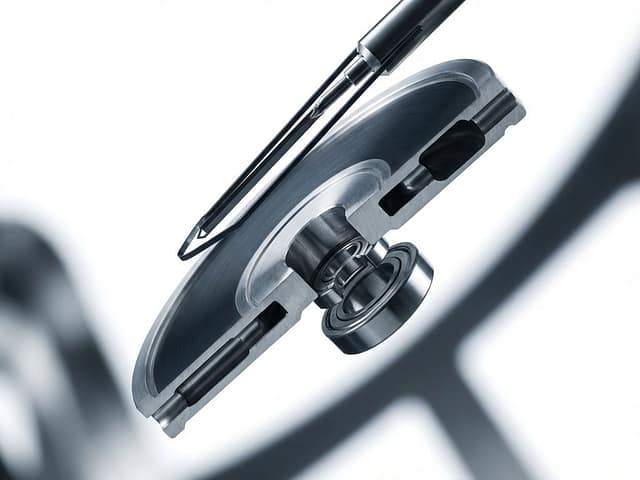
A rotating anode cathode system is an advanced X-ray tube design in which the anode target spins during X-ray production to distribute heat across a larger surface area. This system includes a stationary X-ray cathode that emits electrons and a rotating anode that serves as the target, enabling higher power operation and longer tube life compared with stationary systems used in medical imaging equipment.
What exactly is a rotating anode cathode system in medical imaging?
A rotating anode cathode system consists of two main components working together inside an X-ray tube. The cathode remains stationary and contains a heated tungsten filament that produces electrons when electrical current flows through it. The rotating anode serves as the target where these high-speed electrons strike to generate X-rays.
The system operates within a vacuum-sealed glass or metal envelope. The cathode side houses the electron gun assembly, while the anode side contains a disc-shaped target made of tungsten or a tungsten alloy. This target disc rotates at speeds between 3,000 and 10,000 revolutions per minute during X-ray production.
Medical imaging systems rely on this technology because it allows for much higher heat loads than stationary anode systems. The rotation spreads the electron beam impact across the entire circumference of the anode disc, rather than concentrating it on a single spot. This design is particularly important for procedures requiring multiple exposures or longer exposure times.
How does the rotating mechanism actually work during X-ray production?
The rotation process begins before X-ray exposure, when an induction motor spins the anode disc to its operating speed. Once rotating, the cathode emits a focused beam of electrons that travels across the vacuum tube and strikes the moving anode surface at a specific angle, typically 6 to 20 degrees.
As electrons hit the rotating tungsten target, about 99% of their kinetic energy is converted to heat, while only about 1% produces useful X-rays. The continuous rotation ensures that the heat-generating electron beam strikes different areas of the anode surface with each revolution, preventing any single spot from overheating.
The X-rays produced at the point of electron impact travel in all directions, but a window in the tube housing allows the useful beam to exit toward the patient. The rotation continues throughout the entire exposure time, maintaining consistent X-ray production while managing heat distribution. After exposure, the anode gradually slows down but may continue rotating between exposures to aid cooling.
Why do medical imaging systems use rotating anodes instead of stationary ones?
Medical imaging systems use rotating anodes primarily for their superior heat management capabilities. Stationary anodes can only handle low power loads because heat concentrates in one small area, limiting exposure times and requiring longer cooling periods between exposures. Rotating anodes distribute heat across a much larger surface area, allowing for higher power operation.
This heat dissipation advantage translates directly into practical benefits. Multiple exposures can be performed in quick succession without damaging the tube, which is important during busy clinical schedules. The extended tube life also reduces replacement costs and equipment downtime.
Rotating systems enable higher-quality imaging through increased power handling. Higher power allows shorter exposure times, which reduces patient motion blur and improves image sharpness. This capability is particularly valuable for challenging examinations such as chest X-rays on uncooperative patients or detailed bone imaging requiring fine resolution.
The technology also supports advanced imaging techniques that require sustained X-ray production, such as fluoroscopy procedures in which continuous or rapid sequential imaging is necessary for real-time visualization.
What happens when a rotating anode cathode system starts to fail?
System failure typically manifests through several warning signs that affect image quality and equipment performance. The most common failure mode involves bearing wear in the rotating mechanism, which causes wobbling or vibration that creates image artifacts or uneven X-ray intensity across the field.
You might notice longer preparation times as the anode struggles to reach proper rotational speed, or hear unusual noises during operation. Image quality degradation often appears as streaking, uneven density, or reduced overall brightness. Some systems display error codes when rotation speed falls below acceptable parameters.
Anode surface damage represents another failure pattern, in which repeated thermal stress creates cracks or pitting on the tungsten target. This damage reduces X-ray output efficiency and can create characteristic patterns in the resulting images. The tube may also develop vacuum leaks, leading to electrical arcing and complete system shutdown.
When these symptoms appear, replacement becomes necessary rather than repair, as X-ray tubes are sealed units. Continuing to operate failing equipment risks poor diagnostic quality and potential safety hazards. Most facilities schedule replacements based on both usage hours and image quality assessments.
How do rotating anode cathode systems enhance diagnostic imaging quality?
Rotating anode technology directly improves diagnostic imaging through better heat management that enables optimal exposure parameters. The ability to use higher power settings allows shorter exposure times, which significantly reduces motion blur from patient movement, breathing, or involuntary muscle contractions.
Consistent heat distribution prevents hot spots that could cause uneven X-ray production across the beam field. This uniformity ensures consistent image density and contrast throughout the entire radiograph, making subtle pathological changes easier to detect and diagnose.
Extended tube life maintains consistent performance characteristics over time. As tubes age, their output typically decreases, but rotating anode systems maintain more stable output longer than stationary alternatives. This consistency helps ensure that diagnostic images meet quality standards throughout the tube’s operational life.
The technology also supports advanced imaging protocols that require multiple exposures or longer exposure times. Procedures such as tomography, fluoroscopy, or high-resolution bone imaging benefit from the sustained, high-quality X-ray production that rotating anode systems provide.
How Varex Imaging helps with rotating anode cathode systems
We manufacture high-performance X-ray tubes featuring advanced rotating anode cathode technology designed specifically for demanding medical imaging applications. Our systems deliver superior heat management, extended operational life, and consistent image quality that healthcare providers depend on for accurate diagnoses.
Our rotating anode solutions offer:
- Enhanced heat dissipation capabilities for high-throughput clinical environments
- Precision-engineered bearing systems that ensure smooth, reliable rotation
- Advanced tungsten target designs optimized for maximum X-ray production efficiency
- Comprehensive quality assurance testing to guarantee consistent performance
Ready to learn more about our X-ray imaging components? Visit our main site or explore our company background to discover how we support medical imaging equipment manufacturers worldwide with reliable, innovative solutions.